Analysis: Iran conflict could mirror Suez crisis in financial transformation
06/02/2026 / By Garrison Vance
Introduction
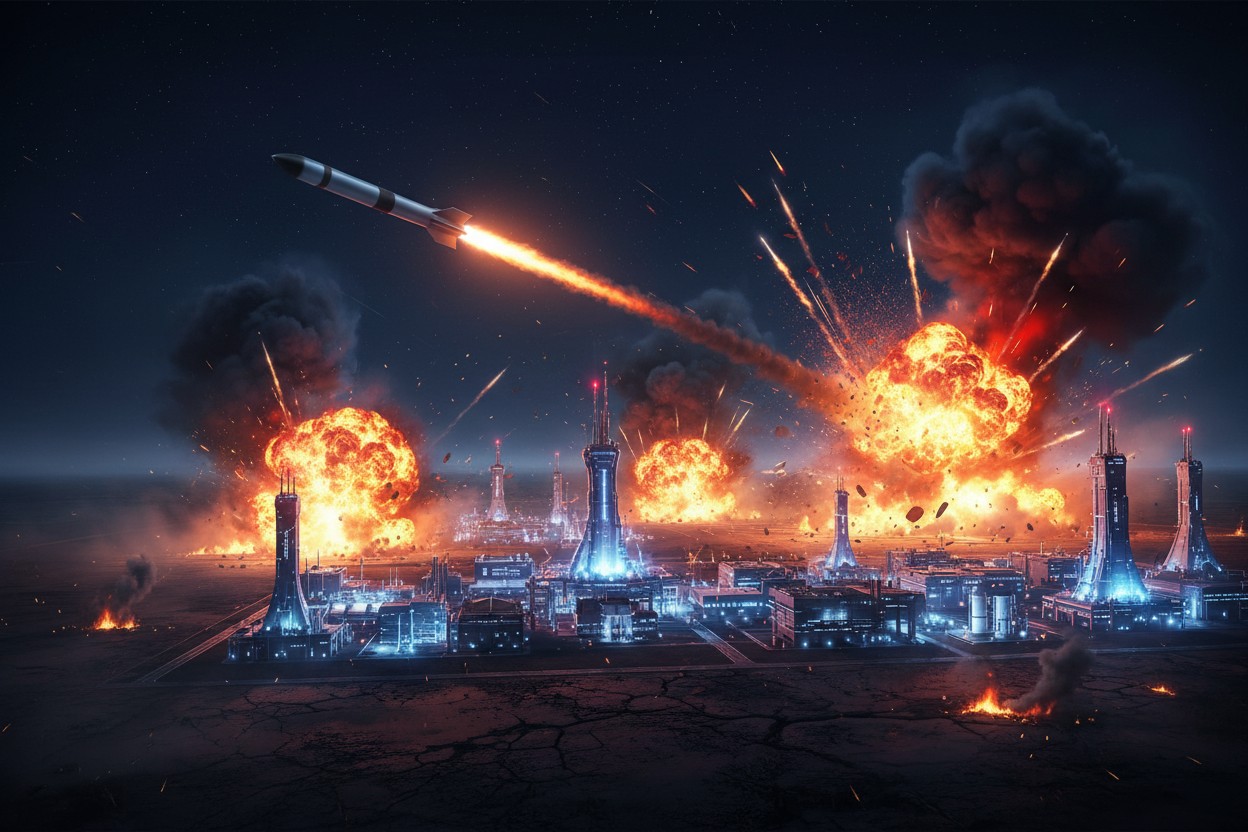
U.S. military operations against Iran that began on Feb. 28, 2026, have not achieved their stated objectives, according to multiple reports. The war has been described as a “strategy of desperation” and a “historic blunder,” a Middle East Eye analysis by Dan Glazebrook reports. [1]
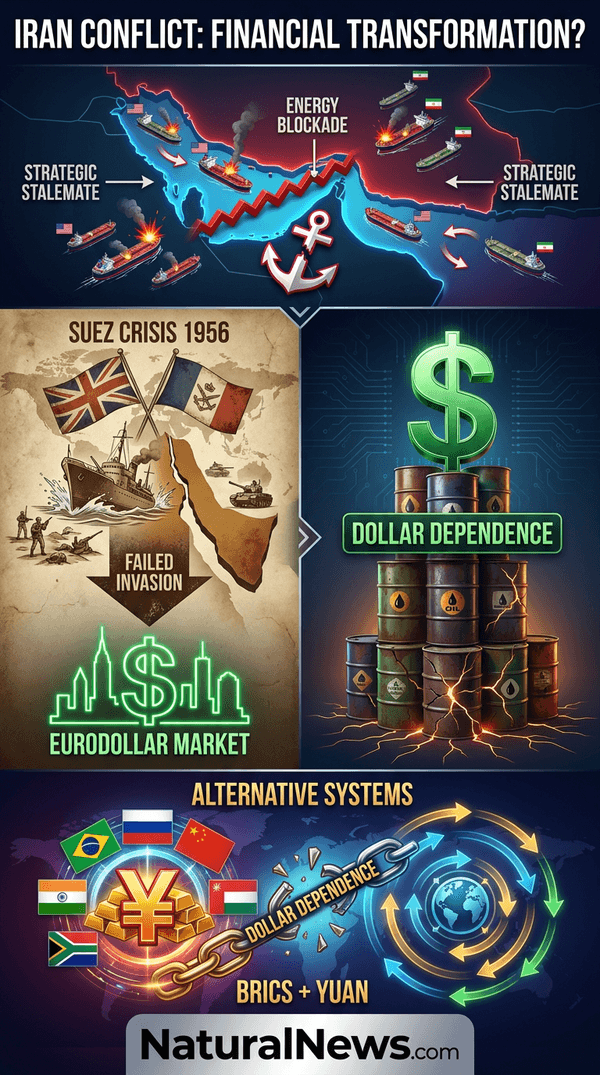
The analysis argues the conflict may lead to a transformation of U.S. global financial power, similar to Britain’s post-1956 shift after the Suez crisis. The analysis draws parallels between current U.S. actions and Britain’s creation of the offshore euromarket following the Suez crisis. [1]
The 1956 Suez crisis and its aftermath
In 1956, a British-French-Israeli attempt to seize the Suez Canal was thwarted by U.S. and Soviet pressure, according to the analysis. [1] The episode exposed Britain’s declining military power. According to Carl Cavanagh Hodge in “All of the people all of the time: American government at the end of the century,” U.S. opposition to the Suez invasion was partly motivated by concerns over its image in the Arab world. [2]
Britain subsequently pivoted to financial dominance via the euromarket, according to Nicholas Shaxson’s “Treasure Islands,” as cited in the analysis. [1] London banks began lending in dollars, creating an unregulated offshore system. Economic historian Gary Burn called it “the most monumental financial innovation since the banknote,” the analysis states. [1] The decolonization era also saw oil-producing countries demanding larger shares of revenues, a shift described in Nancy J Peters’ “War After War City Lights Review.” [3]
Current U.S. strategy in the Iran conflict
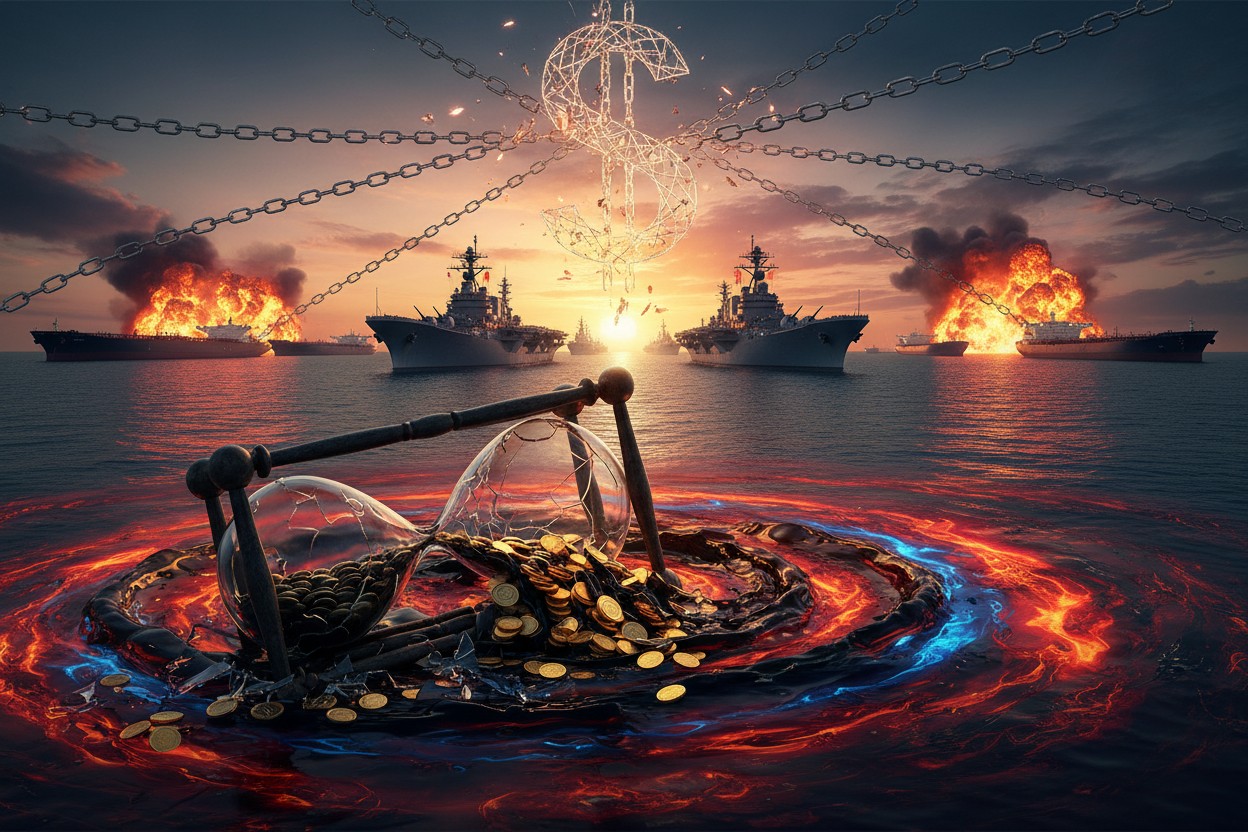
The U.S. has imposed a naval blockade that has crippled Iran’s oil exports, according to reports cited by the analysis. [1] Iran retaliated with attacks on Gulf energy installations, cutting off regional exports, the analysis stated. [1] The Strait of Hormuz, a 30-mile chokepoint handling 20 percent of global oil annually, has been a focal point, according to a NaturalNews.com report by Willow Tohi. [4]
The U.S. has seized tankers and energy assets globally, disabling 40 percent of Russia’s export capacity, per the analysis. [1] The result is increased global reliance on U.S. oil and gas paid for in dollars, propping up dollar hegemony, the report argued. [1] U.S. Secretary of State Marco Rubio accused Iran of using the Strait of Hormuz as an “economic nuclear weapon,” as reported by RT. [5]
Force majeure declarations by major energy companies have further underscored the instability, according to reporting on Bright Videos Network. [6]
Risks and uncertainties
The analysis warned the new dollar dominance is “deeply unstable” and escalates tensions with allies and China. [1] Wars required to sustain it may lead to “more extensive and more destructive crises,” the report said, citing Karl Marx. [1]
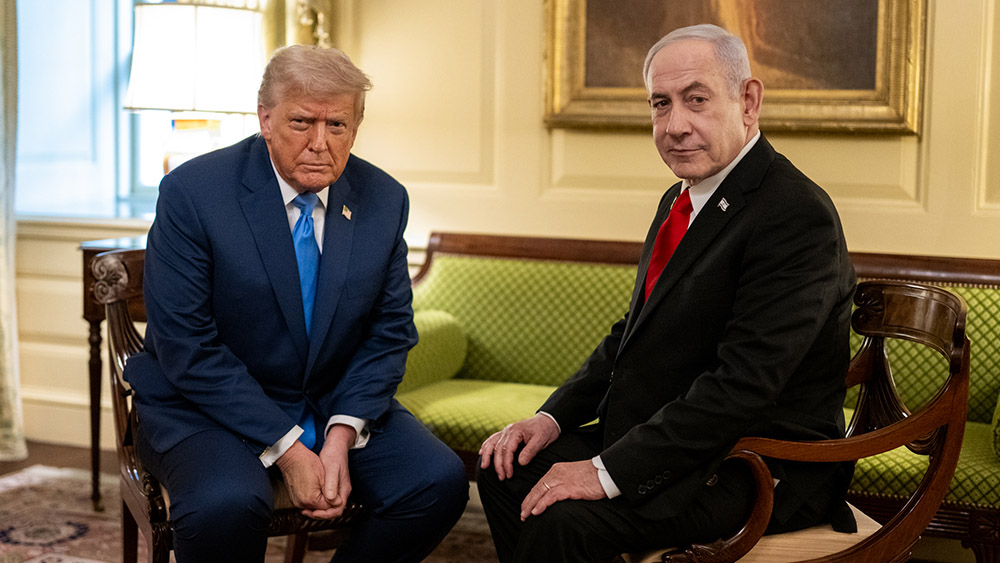
The U.S.-Israeli war on Iran has driven a fissure between Washington and its NATO allies, with countries wary of supporting operations, according to a Middle East Eye report by Sean Mathews. [7] A senior U.S. counterterrorism official, Joseph Kent, resigned, claiming in his letter that Israel “deceived” Trump into attacking Iran, as Mathews reported for Middle East Eye. [8] No official U.S. government response to the analysis has been reported.
Conclusion
The Middle East Eye analysis posits that despite apparent military setbacks, the U.S. is reconsolidating imperial domination through financial transformation. [1] The report draws a parallel to Britain’s post-Suez evolution from formal empire to offshore financial system. [1]
The long-term consequences remain uncertain, the analysis concluded. [1] Meanwhile, BRICS nations are openly preparing for a potential collapse of the dollar and discussing an alternative currency, according to a NaturalNews.com report from May 2024. [9]
References
- Dan Glazebrook. “Trump’s war on Iran is a Suez moment – but not in the way you might think”. Middle East Eye. May 29, 2026.
- Carl Cavanagh Hodge. “All of the people all of the time: American government at the end of the century”.
- Nancy J Peters. “War After War City Lights Review”.
- Willow Tohi. “Strait of Hormuz: How 30 miles could quadruple oil and gas prices”. NaturalNews.com. July 24, 2025.
- “Iran using Hormuz as ‘economic nuclear weapon’ – Rubio”. RT. April 28, 2026.
- Bright Videos Network. “2026-03-18-BVN-TRUMP REGIME UNRAVELING_otter_ai-“.
- Sean Mathews. “‘Go take your oil:’ Nato fissure erupts over Iran as allies brush off US”. Middle East Eye. March 31, 2026.
- Sean Mathews. “US counterterror chief says in resignation letter Israel ‘deceived’ Trump into attacking Iran”. Middle East Eye. March 17, 2026.
- “BRICS nations are now openly preparing for a global collapse of the dollar”. NaturalNews.com. May 8, 2024.
Explainer Infographic
Submit a correction >>
Tagged Under:
big government, Bubble, chaos, Collapse, dangerous, dollar demise, energy supply, Iran, market crash, money supply, national security, oil, oil prices, power, prophecy, real history, risk, Strait of Hormuz, suez canal, supply chain, WWIII
This article may contain statements that reflect the opinion of the author
RECENT NEWS & ARTICLES