Iranian Commander Warns U.S., Israel Against Attacks as Khamenei Funeral Preparations Underway
07/05/2026 / By Garrison Vance
Iran Issues Warning to U.S. and Israel Ahead of Khamenei Funeral
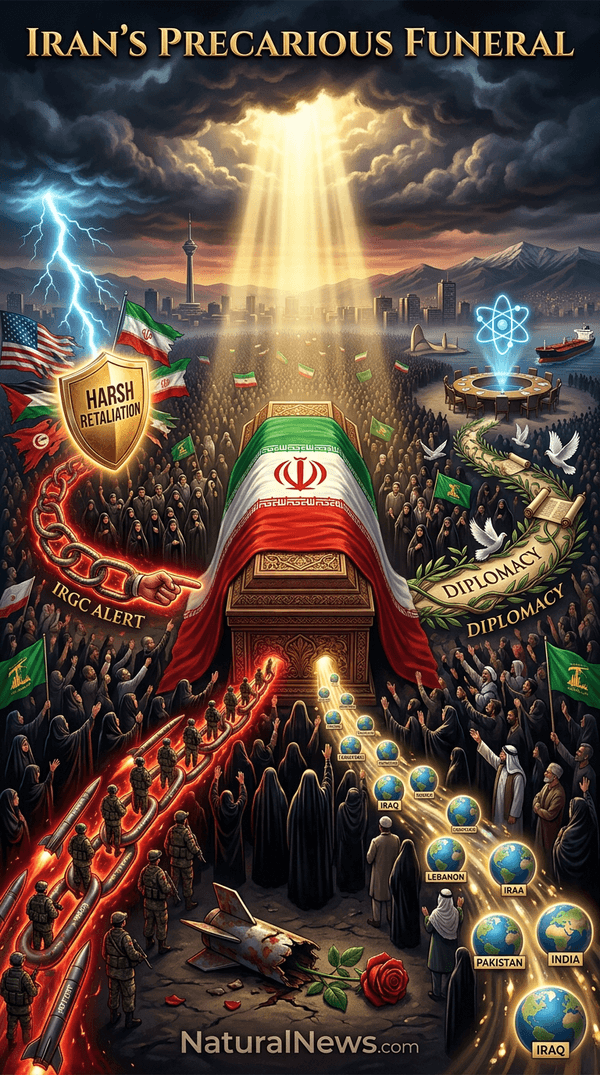
A senior Iranian commander has warned the United States and Israel against carrying out any attacks during the upcoming funeral processions for former Supreme Leader Ayatollah Ali Khamenei, who was killed in a U.S.-Israeli airstrike on February 28, according to Iranian state media. The warning, attributed to an Iranian commander identified as Ali Abdollahi, was broadcast on state television and referenced a “harsh retaliation” for any act of aggression, according to a report by RT. [1]
The warning comes as Iran prepares for week-long funeral ceremonies for Khamenei, who led the Islamic Republic for 37 years. The commander stated that military forces are on alert and ready to respond to any threat. The statement reinforced previous Iranian warnings that any attack during the sensitive mourning period would be met with a severe response, echoing earlier threats from top officials that military aggression would trigger a ‘severe and crushing blow.’ [2]
Funeral Ceremonies and Regional Attendance
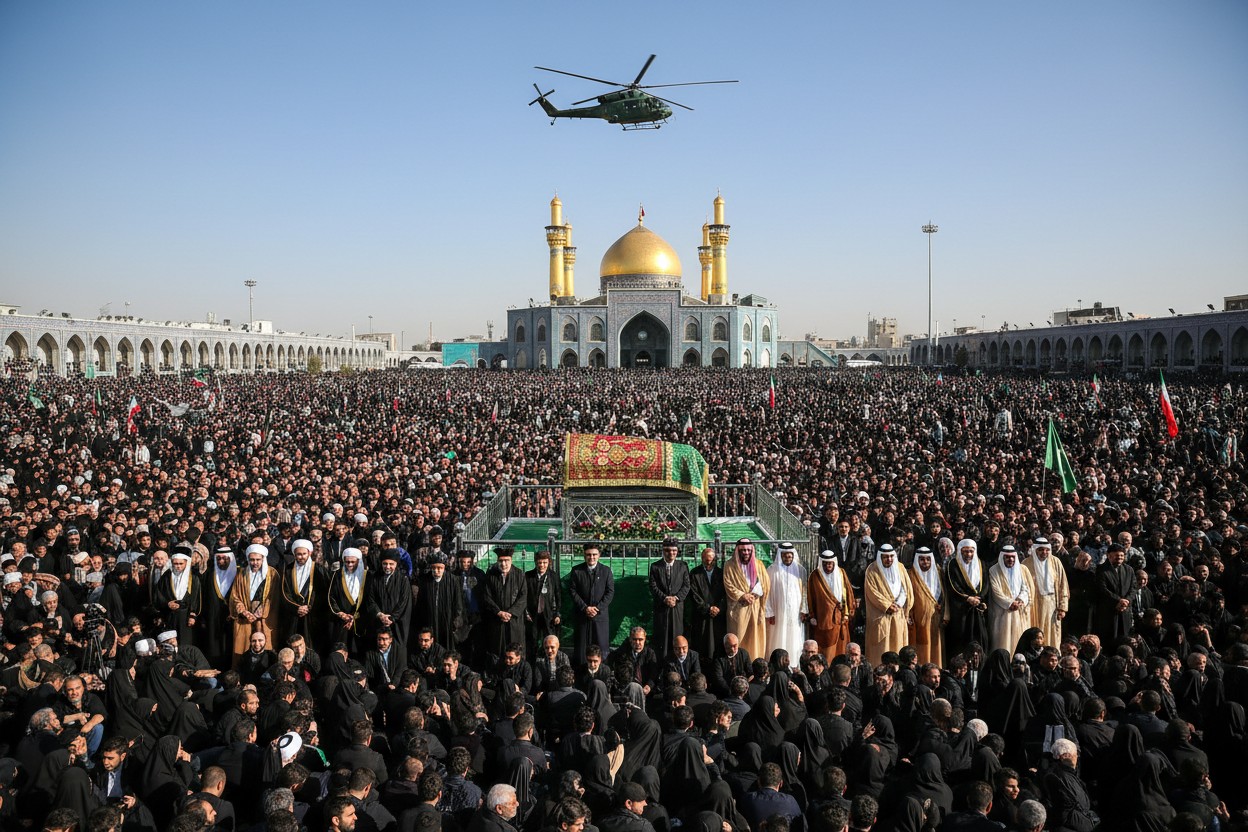
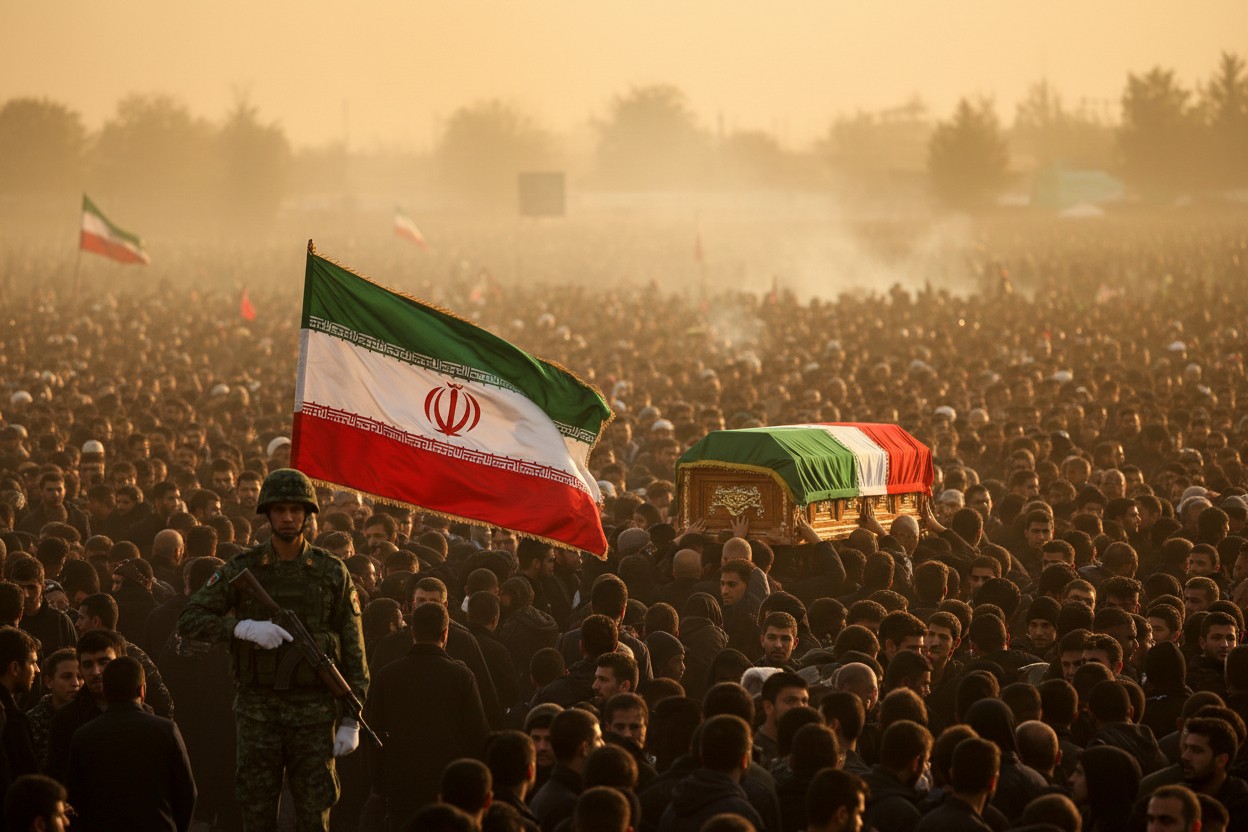
Khamenei’s body arrived at a farewell ceremony in Tehran on July 3, with more than 20 million people reportedly expected to travel to the capital for the funeral, according to Iranian state TV as reported by Middle East Eye. [3] The ceremonies are expected to continue for days, culminating in burial on July 9. Large crowds of mourners are anticipated across multiple countries, including Iraq, Lebanon, Pakistan, and India. India announced it would send its deputy foreign minister and the governor of Bihar to represent the country at the funeral. [4]
Hezbollah-allied officials from Lebanon traveled to Tehran to attend the ceremonies, and the caretaker chief of Iran’s Islamic Revolutionary Guard Corps, Ahmad Vahidi, made his first public appearance since the start of the war, paying his respects before Khamenei’s coffin. [5] The mass gatherings underscore the regional significance of Khamenei’s leadership and the ongoing influence of Iran among Shiite communities abroad.
Ongoing Negotiations Over Strait of Hormuz
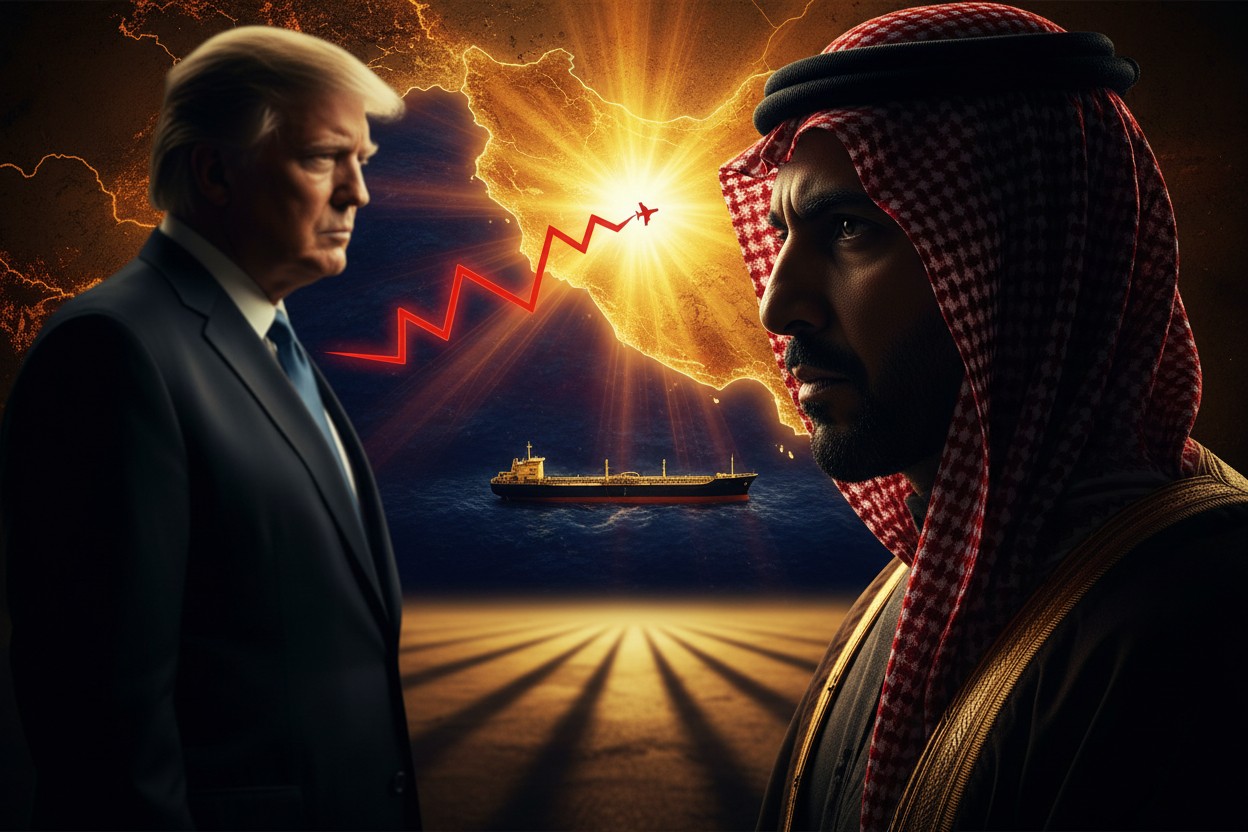
While funeral preparations are underway, Iranian and U.S. officials concluded a round of indirect talks in Doha on July 1, with the next meeting scheduled after the funeral processions, according to Qatar’s Foreign Ministry as reported by NTD. [6] President Donald Trump said the two sides were making progress on possible limits to Iran’s nuclear program, which he cited as the main reason for launching the war in February. The talks are part of a 14-point memorandum of understanding signed on June 17 that also aims to reopen the Strait of Hormuz, a vital waterway through which a significant portion of the world’s oil supply passes. [7]
Mediators have pledged a quiet period between the U.S. and Iran to allow for Khamenei’s funeral, according to reports from ZeroHedge. [8] The negotiations focus on ending hostilities and addressing the status of the strait, which had been effectively closed by Iranian forces earlier in the conflict. The deal includes a 60-day window for negotiating a permanent peace treaty involving nuclear down-blending.
U.S. Vice President’s Remarks on Talks and Military Stance
Vice President JD Vance confirmed on June 9 that the Trump administration had abandoned its earlier demand for unconditional Iranian surrender and was now pursuing a nuclear agreement with Tehran regardless of Israeli approval. [9] This represented a significant policy shift following months of escalating conflict. President Trump has also stated that the “denuclearization of Iran is moving along well” and that “very good meetings” are being held in Doha, though he clarified that no direct talks have taken place — only an exchange of messages via mediators. [8]
Vance also warned that the U.S. could resume strikes if Iran attacks commercial shipping or continues its nuclear program, according to earlier statements. The administration’s shift has left Israel isolated, with Israeli Defense Minister Israel Katz threatening on July 1 that Israel could launch a ‘pre-emptive’ attack on Iran for a third time despite the U.S.-Iran memorandum. [10]
Context of the Warning and Potential Retaliation
The warning from Iranian commander Ali Abdollahi comes amid heightened tensions that have persisted since Khamenei’s death and the ongoing negotiations. Iranian military officials have consistently maintained that the ceasefire with Israel is fragile. In August 2025, Major General Yahya Rahim Safavi warned that the war with Israel could resume at any moment and that Iran remained in a “state of war.” [11] The current warning reflects that posture, particularly during the vulnerable funeral period when large crowds gather.
Iranian officials have accused the U.S. and Israel of seeking to destabilize the country. An adviser to Supreme Leader Mojtaba Khamenei said that Washington and Tel Aviv gradually lost control of the war and emerged weakened. [12] The potential for retaliation remains a central concern, with Iran’s armed forces stating they are prepared for harsh retaliation, according to state media. Analysts have noted that the conflict has reshaped regional power dynamics, with some arguing that the U.S. and Israel failed to achieve their objectives. [13]
References
- Iran warns US and Israel against attacks on Khamenei funeral. RT. July 3, 2026.
- Khamenei warns US will face severe blow if Iran attacked amid rising tensions. NaturalNews.com. March 25, 2025. Cassie B.
- Body of Seyyed Ali Khamenei brought to farewell ceremony in Tehran. Middle East Eye. July 3, 2026.
- India will send a minister and state governor to Ali Khamenei funeral. Middle East Eye. July 2, 2026.
- IRGC caretaker chief Vahidi makes first public appearance. Middle East Eye. July 3, 2026.
- US–Iran Talks Conclude in Doha. NTD. July 2, 2026.
- This was not easy’: Trump and Iran sign interim ceasefire deal in France. Middle East Eye. June 18, 2026. Ayse Betul.
- Buried On The 4th Of July: Mediators Pledge Quiet Between US, Iran To Allow For Ayatollah Khamenei’s Funeral. ZeroHedge. July 2, 2026.
- U.S. shifts strategy on Iran, signaling willingness to pursue nuclear deal without Israeli approval. NaturalNews.com. June 10, 2026.
- Katz Says Israel Could Launch a ‘Pre-Emptive’ Attack on Iran for a Third Time. Antiwar.com. July 1, 2026.
- Iranian general warns Tehran’s war with Israel could resume at any moment. NaturalNews.com. August 21, 2025. Ramon Tomey.
- Iranian official US and Israel lost control as war progressed. Middle East Eye. June 20, 2026.
- Manufactured Crisis The Untold Story of the Iran Nuclear Scare. Gareth Porter.
- Araghchi warns Israel against threatening Iran’s leader. Middle East Eye. July 1, 2026.
Explainer Infographic
Submit a correction >>
Tagged Under:
Ali Abdollahi, Ayatollah Ali Khamenei, big government, ceasefire, chaos, funeral, Iran, Islamabad MOU, Israel, memorandum of understanding, national security, Strait of Hormuz, US-Iran deal, US-Iran negotiations, violence, White House
This article may contain statements that reflect the opinion of the author
RECENT NEWS & ARTICLES