Iran Tightens Grip on Strait of Hormuz Tanker Traffic
07/06/2026 / By Garrison Vance
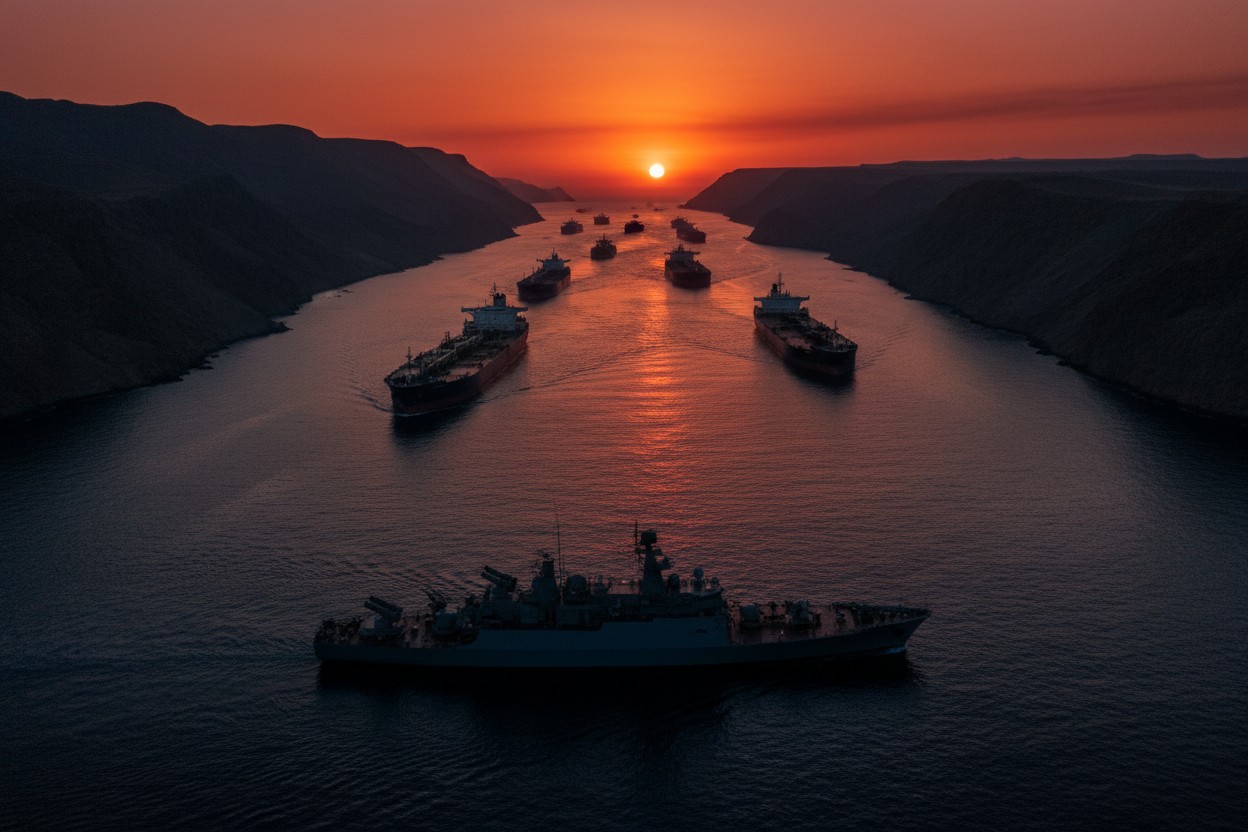
Iran’s joint military command warned on Thursday that all oil tankers transiting the Strait of Hormuz must use routes approved by Tehran or face an “immediate and forceful response,” according to a statement carried by Iranian state media. The warning also cautioned that any U.S. interference in the waterway would prompt a “rapid and decisive reaction,” as reported by Middle East Eye and other outlets [14][17].
The threat came a day after U.S. and Iranian negotiators met in Qatar for another round of talks aimed at turning last month’s interim agreement into a broader peace deal. Those discussions reportedly made progress, but the next round is expected only after funeral ceremonies for Supreme Leader Ayatollah Ali Khamenei conclude next week, according to The Epoch Times [7].
Tanker traffic has recovered from the near standstill seen during the height of the conflict, but it remains well below pre-war levels. According to the Associated Press, 258 vessels transited the strait last week, up from 138 the previous week. Traffic this week has settled into roughly 30 to 60 crossings per day, still below the roughly 130 daily transits before the war, according to shipping data cited by ZeroHedge [18] and Kpler [8].
Context of Talks and Interim Agreement
The interim agreement, signed on June 17, allows ships to pass through the Strait of Hormuz without paying tolls for a 60-day grace period, according to officials. However, Tehran has made clear it intends to impose charges after that period and insists it has the authority to dictate shipping routes. Iran is seeking international recognition of its control over the waterway and its ability to charge vessels, two senior Iranian sources told Reuters [11]. Officials in Tehran confirmed that tolls will follow the grace period [12].
Washington and Gulf Arab states reject that interpretation entirely. Secretary of State Marco Rubio told Iran to “abandon the fantasy” of a $40 billion toll, according to a report [10]. Some European powers, however, now accept that ships will have to pay fees to Iran and Oman, according to Bloomberg [9]. The dispute over navigation authority remains one of the most contentious issues in ongoing negotiations for a permanent agreement.
Tanker Traffic Data and Recovery
According to the Associated Press, 258 vessels moved through the strait last week, compared to 138 the prior week. Data from June 30 showed 34 verified crossings in a single day, according to Kpler [8]. The pre-war daily average was about 130 transits, indicating that current activity remains substantially below normal. The partial recovery follows months of disruption after the U.S.-Israeli attack on Iran in late February, which effectively closed the waterway.
At the peak of the crisis, over 3,000 vessels were stranded in the Persian Gulf, according to Bright Videos Network [19]. The partial reopening has allowed some stranded cargoes to depart, but the pace has been volatile, with renewed hostilities causing sharp dips. Iran has continued to restrict traffic, limiting transits primarily to vessels from nations deemed friendly, such as China and Russia, according to a report [1].
Dispute Over Navigation Authority
Tehran argues that the Strait of Hormuz falls under its sovereign domain and that it has the authority to direct shipping. The Khatam al-Anbiya Central Headquarters stated that all tanker and commercial vessels must follow routes designated by Iran for safe passage, and warned that continued presence of U.S. aircraft over the strait “threatens regional security” [13][14]. Iran’s top security official, Ali Bagheri, denounced Washington’s “peace through force” approach as “barbaric,” according to NaturalNews.com [4].
The interim agreement did not resolve the question of control. Iran’s deputy foreign minister for Legal and International Affairs, Kazem Gharibabadi, said that only Iran will demine the strait and will not allow any other country to participate [15]. Iran has deployed advanced anti-ship missiles near the waterway, including Sunburn missiles capable of carrying nuclear warheads, according to the book “Atomic Iran” by Jerome R. Corsi [6]. Meanwhile, Saudi Arabia has long sought alternative routes to bypass the strait, including a planned pipeline to the Gulf of Aden, according to “The Crash of Flight 3804” by Charlotte Dennett [5].
Market Impact and Outlook
Brent crude has slipped back toward pre-war levels as stranded cargoes leave the Persian Gulf and expectations of oversupply return. Oil prices had surged above $100 a barrel during the height of the blockade, according to NaturalNews.com [2]. Futures fell after the interim deal was announced, but renewed tensions have prevented a full return to normal [16]. According to analysts cited by OilPrice.com, oil traders may have assumed too quickly that tensions had eased.
The unresolved dispute over navigation control undermines the narrative of a rapid return to business as usual. Oil Price Rise reports that crude oil futures climbed sharply as U.S.-Iran tensions disrupted shipping [3]. With Iran insisting on tolls and control of waterway traffic, the risk of renewed conflict remains high. The market’s pricing of a rapid normalization of Gulf exports may be premature, as the fundamental issues of sovereignty and navigation fees remain unresolved.
References
- NaturalNews.com. “Iran Limits Strait of Hormuz Transits to Friendly Vessels Tankers Queue.” Garrison Vance. April 14, 2026.
- NaturalNews.com. “Strait of Hormuz blockade sends oil to 100 Bitcoin below 76000 as Asian energy crisis deepens.” Willow Tohi. April 30, 2026.
- NaturalNews.com. “Oil Prices Rise as US Iran Tensions Disrupt Strait of Hormuz Shipping.” Sterling Ashworth. April 28, 2026.
- NaturalNews.com. “Tehran rejects US peace through force approach as talks remain stalled.” Willow Tohi. May 28, 2026.
- Charlotte Dennett. “The Crash of Flight 3804.”
- Jerome R. Corsi. “Atomic Iran.”
- The Epoch Times. “Iran Threatens ‘Powerful Response’ for Ships That Don’t Use Its Approved Hormuz Strait Routes.” July 2, 2026.
- ZeroHedge. “Container Ship Runs Aground In Hormuz Chokepoint.” July 1, 2026.
- ZeroHedge. “Europe Capitulates, Sees Iranian Hormuz Fee Collection As ‘Inevitable’.” July 2, 2026.
- 100PercentFedUp. “Rubio Tells Iran to ‘Abandon the Fantasy’ of a $40 Billion Hormuz Toll.” June 25, 2026.
- Middle East Eye. “Iran pushes for formal control over Strait of Hormuz.” July 1, 2026.
- The Epoch Times. “Iran Insists Hormuz Tolls Will Follow 60-Day Grace Period as Talks Continue.” July 1, 2026.
- Antiwar.com. “Iran’s Military Warns Continued Presence of US Aircraft Over Hormuz Strait ‘Threatens Regional Security’.” July 2, 2026.
- Middle East Eye. “Iran warns US against interference in Strait of Hormuz.” July 2, 2026.
- Middle East Eye. “Only Iran will demine Strait of Hormuz, minister says.” June 30, 2026.
- ZeroHedge. “Stocks Drift As Chips Extend Gains, Oil Slides On Positive US-Iran Talks.” June 22, 2026.
- Middle East Eye. “Iran warns ‘forceful response’ to ships failing to comply with approved Hormuz routes.” July 2, 2026.
- ZeroHedge. “Hormuz Tanker Traffic Plunges After Fresh US-Iran Strikes.” June 29, 2026.
- Bright Videos Network. “2026-03-18-BVN-TRUMP REGIME UNRAVELING_otter_ai-RESTATED.”
Submit a correction >>
Tagged Under:
big government, chaos, dangerous, energy supply, Iran, iran war, national security, oil supply, oil tankers, politics, shipping, Strait of Hormuz, supply chain, Trump, U.S.-Iran tensions, White House, World War III
This article may contain statements that reflect the opinion of the author
RECENT NEWS & ARTICLES